Source Durable Metal Pulling Buckle for Bags, Belts, and Garments
Find 30 durable metal pulling buckle options for bags, belts, and garments. Compare zinc alloy die-cast models with spring or non-spring designs, available in various sizes and plating finishes for OEM customization; compare the available evidence and request quotations based on your requirements.
Key considerations
Products List


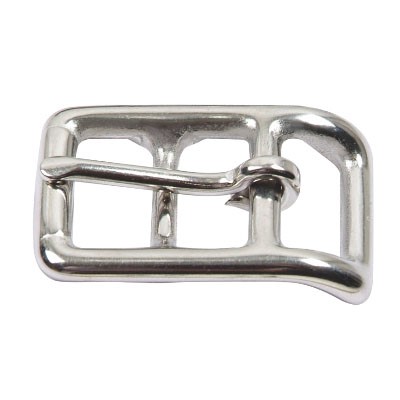


Comprehensive Sourcing Guide
Durable Metal Pulling Buckle Sourcing Guide
Sourcing durable metal pulling buckles requires a strategic approach that balances aesthetic customization with rigorous functional testing. These components serve as critical hardware for bags, garments, belts, and accessories, where reliability under tension is paramount. Buyers must navigate a market characterized by diverse material options, primarily zinc alloy, and varied finishing techniques that impact both longevity and visual appeal. The procurement process involves selecting between adjustable and non-adjustable designs, each suited for different end-use scenarios. Understanding the specific mechanical requirements of the final product is the first step in defining a successful sourcing strategy.
The global supply chain for these hardware items is concentrated in manufacturing hubs such as Dongguan and Guangdong in China, offering extensive OEM and ODM capabilities. Suppliers typically provide a wide range of plating options, including silver, gold, black, antique, rose gold, and gunmetal finishes, allowing for precise color matching with product designs. Customization is a standard offering, with many manufacturers supporting die-casting processes and eco-friendly coatings to meet modern sustainability goals. Buyers should leverage these capabilities to create unique product identities while ensuring that the chosen materials and finishes align with the intended market’s durability expectations.
Product Scope and Observed Listing Signals
The observed market for durable metal pulling buckles reveals a significant variance in product specifications and commercial terms. Listings indicate a price range from $0.01 to $21, reflecting differences in material quality, plating complexity, and order volume. Minimum Order Quantities (MOQs) vary widely, from as low as 1 piece for sample or small-batch orders to 20,000 pieces for large-scale production runs. This flexibility allows buyers to test designs with minimal risk before committing to mass production. The presence of both adjustable and non-adjustable models, along with spring-loaded and hook-style mechanisms, suggests a broad application scope covering everything from casual fashion accessories to heavy-duty outdoor gear.
Product attributes highlight a strong emphasis on customization and design freedom. Many suppliers offer die-casting techniques with 2D-3D engraving or soft enamel options, enabling intricate logo placement and unique aesthetic details. Sizes range from 10mm to 50mm for standard buckles, with some specialized models accommodating inner sizes of 1 inch or custom dimensions. The availability of stock is generally low, with most items produced on a made-to-order basis, leading to lead times of 7-12 days. Buyers should carefully review these signals to align their inventory planning with supplier capabilities, ensuring that production schedules meet launch deadlines without compromising on quality or design integrity.
Technical Specifications to Verify
Verifying technical specifications is crucial for ensuring that the selected buckles meet the functional demands of the final product. Key attributes to confirm include the metal type, which is predominantly die-casting zinc alloy, known for its strength and castability. Buyers must specify the desired plating finish, such as chrome, silver, or antique, to ensure corrosion resistance and aesthetic consistency. The presence of a spring mechanism is another critical decision point, as spring-loaded buckles offer ease of use but may have different durability profiles compared to non-spring hook styles. Additionally, the coating process should be verified, with eco-friendly options being increasingly preferred for compliance with environmental regulations in target markets.
Size and dimensional accuracy are vital for proper fit and function. Standard sizes include 10mm, 12mm, 15mm, 19mm, 25mm, 32mm, and 38mm, with some models extending up to 51mm or larger. Buyers should request detailed technical drawings to confirm inner dimensions, particularly for custom-made items where tolerances can vary. The production model codes, such as MB, MSB, or m-bc08, can help in identifying specific design features and compatibility with existing hardware systems. It is also important to verify the packing specifications, which may range from individual polybags to bulk cartons of 2,000 pieces, to ensure efficient logistics and storage handling.
Compliance and Safety Documentation
Compliance with international safety and environmental standards is essential for selling durable metal pulling buckles in regulated markets. Buyers should request documentation confirming adherence to standards such as CE, ROHS, and SGS, which verify the absence of hazardous substances like lead and cadmium in the metal and plating processes. These certifications are particularly important for products intended for children’s accessories or items with direct skin contact, such as belts and bra hardware. Suppliers who offer eco-friendly coatings and compliant plating processes provide an added layer of assurance, reducing the risk of regulatory non-compliance and potential product recalls.
In addition to material safety, buyers should verify the supplier’s quality management systems, although specific ISO certifications may not always be explicitly listed. Requesting test reports for tensile strength, salt spray resistance, and colorfastness can provide objective data on product durability. It is advisable to include compliance clauses in purchase agreements, requiring suppliers to maintain current certifications and notify buyers of any changes in material composition or manufacturing processes. This proactive approach ensures that the supply chain remains robust and compliant, protecting the brand’s reputation and ensuring market access across different regions with varying regulatory requirements.
Cost Drivers and Commercial Terms
Understanding the cost drivers for durable metal pulling buckles helps buyers negotiate better commercial terms and manage budget constraints. The primary cost factors include the type of metal used, the complexity of the plating finish, and the level of customization required. Die-casting processes and intricate 2D-3D designs typically incur higher tooling and production costs compared to standard off-the-shelf items. Order volume also plays a significant role, with larger MOQs often resulting in lower per-unit prices. Buyers should evaluate the trade-off between customization and cost, considering whether unique design elements are necessary for their brand positioning or if standard options suffice.
Commercial terms such as lead time and payment conditions are critical for supply chain planning. Typical lead times range from 7 to 12 days, depending on the order size and complexity. Buyers should confirm these timelines during the negotiation phase to avoid production delays. Payment terms may vary, with some suppliers requiring full payment upfront for small orders or custom prototypes, while others offer more flexible arrangements for established relationships. It is also important to clarify shipping and packaging costs, as bulk packing options can reduce logistics expenses. Clear communication of these terms ensures a transparent procurement process and minimizes the risk of unexpected costs.
Supplier Qualification and Quality Control
Qualifying suppliers for durable metal pulling buckles involves assessing their manufacturing capabilities, quality control processes, and customer service responsiveness. Buyers should prioritize suppliers with proven experience in die-casting and metal finishing, as these processes require specialized expertise to ensure consistent quality. Requesting samples is a crucial step in evaluating the physical attributes of the buckles, including the smoothness of the finish, the strength of the spring mechanism, and the accuracy of the dimensions. Suppliers who offer OEM/ODM services and welcome customer designs demonstrate flexibility and a commitment to meeting specific buyer requirements.
Quality control measures should be clearly defined and agreed upon before production begins. Buyers should inquire about the supplier’s inspection protocols, including in-process checks and final random inspections. It is advisable to specify acceptable defect rates and procedures for handling non-conforming products. Suppliers located in established manufacturing hubs like Dongguan often have access to a robust ecosystem of supporting services, which can enhance production efficiency and quality consistency. Building a long-term relationship with a qualified supplier can lead to better pricing, priority production slots, and collaborative improvements in product design and functionality over time.
Long-Term Procurement Checks
Long-term procurement of durable metal pulling buckles requires ongoing monitoring of supplier performance and market trends. Buyers should regularly review supplier compliance with agreed-upon standards and quality metrics, conducting periodic audits or requesting updated test reports as needed. Maintaining open communication channels allows for timely resolution of any issues that arise during production or delivery. It is also important to stay informed about changes in material costs, plating technologies, and regulatory requirements that may impact the supply chain. Proactive engagement with suppliers ensures that the procurement process remains efficient and aligned with the buyer’s evolving business needs.
As product designs and market demands evolve, buyers should periodically reassess their hardware specifications to ensure they remain competitive and functional. This may involve exploring new customization options, such as innovative plating finishes or enhanced durability features, to differentiate products in the market. Building a diversified supplier base can mitigate risks associated with single-source dependencies, providing flexibility in case of supply disruptions or capacity constraints. By maintaining a strategic approach to procurement, buyers can secure a reliable supply of high-quality durable metal pulling buckles that support their brand’s reputation for excellence and reliability.
FAQs
What customization options are available for metal buckles?
Customization is available for these metal buckles with options for design and plating. You can select from silver, gold, black, antique, rose gold, or gunmetal finishes. The product supports OEM and ODM services to meet specific branding needs.
Which sizes are offered for the durable metal pulling buckle?
The product is available in multiple sizes including 10mm, 12mm, 15mm, 19mm, 25mm, 32mm, 38mm, and 50mm. Some models also support sizes ranging from 10mm to 1100mm or custom inner sizes like one inch to fit various bag and garment applications.
Can I order small quantities of these metal buckles?
Small orders are acceptable for some models with a minimum order quantity of one piece. However, other listings require a minimum order of 1000 pieces. Buyers should verify the specific MOQ for the desired model before placing an order.
How long is the lead time for production?
The lead time typically ranges from seven to ten days for standard orders. Some specific models may require ten to twelve days for production. This timeline applies to customized items manufactured in Dongguan, Guangdong, China.
What materials are used to make these buckles?
These buckles are made from die-casting zinc alloy which ensures durability. The material is coated with eco-friendly processes and offers anti-corrosion features. The metal type is specifically identified as die casting zinc alloy for strength.
Which certifications do the products meet?
Products meet standards such as CE, ROHS, and SGS for quality assurance. These certifications ensure the items are safe for use in bags, belts, and garments. Buyers can rely on these documented standards for compliance in international markets.
What is the packaging method for bulk orders?
Bulk orders are packed in cartons containing 2000 pieces with dimensions of 30 by 25 by 20 centimeters. Individual items may come in polybags for smaller quantities. This packaging ensures safe transport and organization during shipping.